
Facade Access, Fall Protection, and Building Maintenance Access Services
Highline Consulting advises building owners, architects, developers, and property teams on the assessment, design, and documentation of safe access strategies for work at height on new and existing buildings. Every engagement is grounded in worker safety, code compliance, and practical building operations.
How clients typically engage Highline
Projects usually come in when the team needs clear, independent guidance on access strategy, documentation, and long-term building operations.
- Independent recommendations without manufacturer bias
- Coordination between design intent, maintenance needs, and liability exposure
- Project-specific documentation for operations, compliance, and liability management
- Direct principal involvement from early assessment through final deliverables
Three service lanes, one coordinated strategy
Highline's services are structured to meet projects where they are. Some clients need an early assessment, some need detailed system design, and some need clear operating documentation. Many need all three, sequenced correctly.
Assess conditions and define the path forward
Use consulting engagements to understand constraints, reduce guesswork, and establish a technically credible basis for decisions before design or procurement moves ahead.
Integrate access systems before they become a problem
Design work focuses on coordinated, code-aware solutions that support long-term maintenance while preserving architectural intent and avoiding expensive late-stage retrofits.
Turn strategy into clear operational documents
Documentation services support safe operations, compliant procedures, and project-specific records that owners, managers, and contractors can rely on.
Safe access planning works best when it is treated as building infrastructure
Facade access and fall protection are often introduced too late, after roof layouts, structural assumptions, or maintenance strategies are already fixed. That delay creates friction for owners, design teams, and contractors.
Highline steps in to make those decisions clearer. The work is technical, but the outcome is practical: fewer surprises, better coordination, and systems that can actually support real-world maintenance and construction operations over time.
The firm's scope can begin with a targeted assessment, expand into design, and continue into documentation support. That continuity is especially valuable when projects involve both new equipment decisions and the liability concerns that come with long-term use.
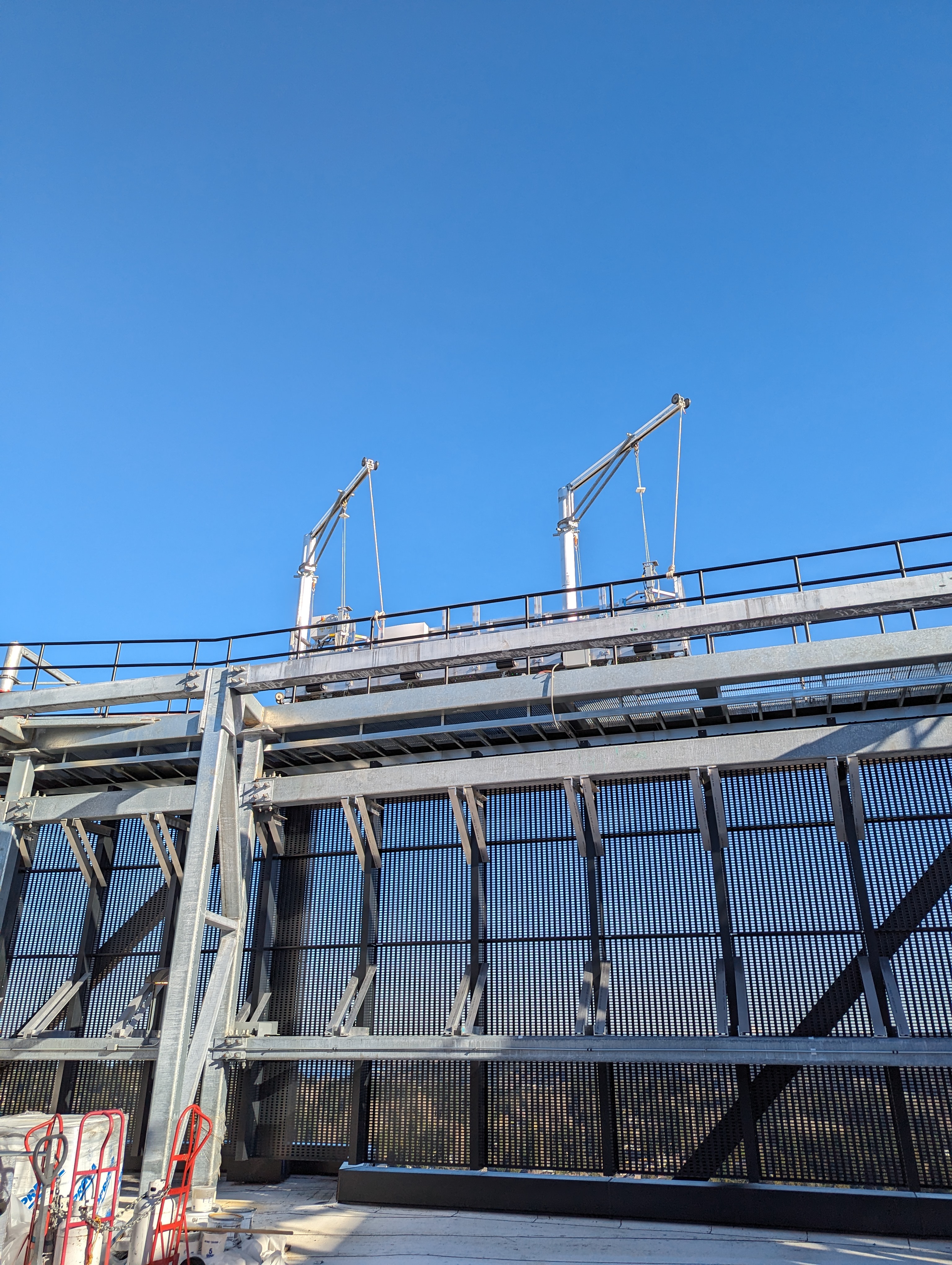
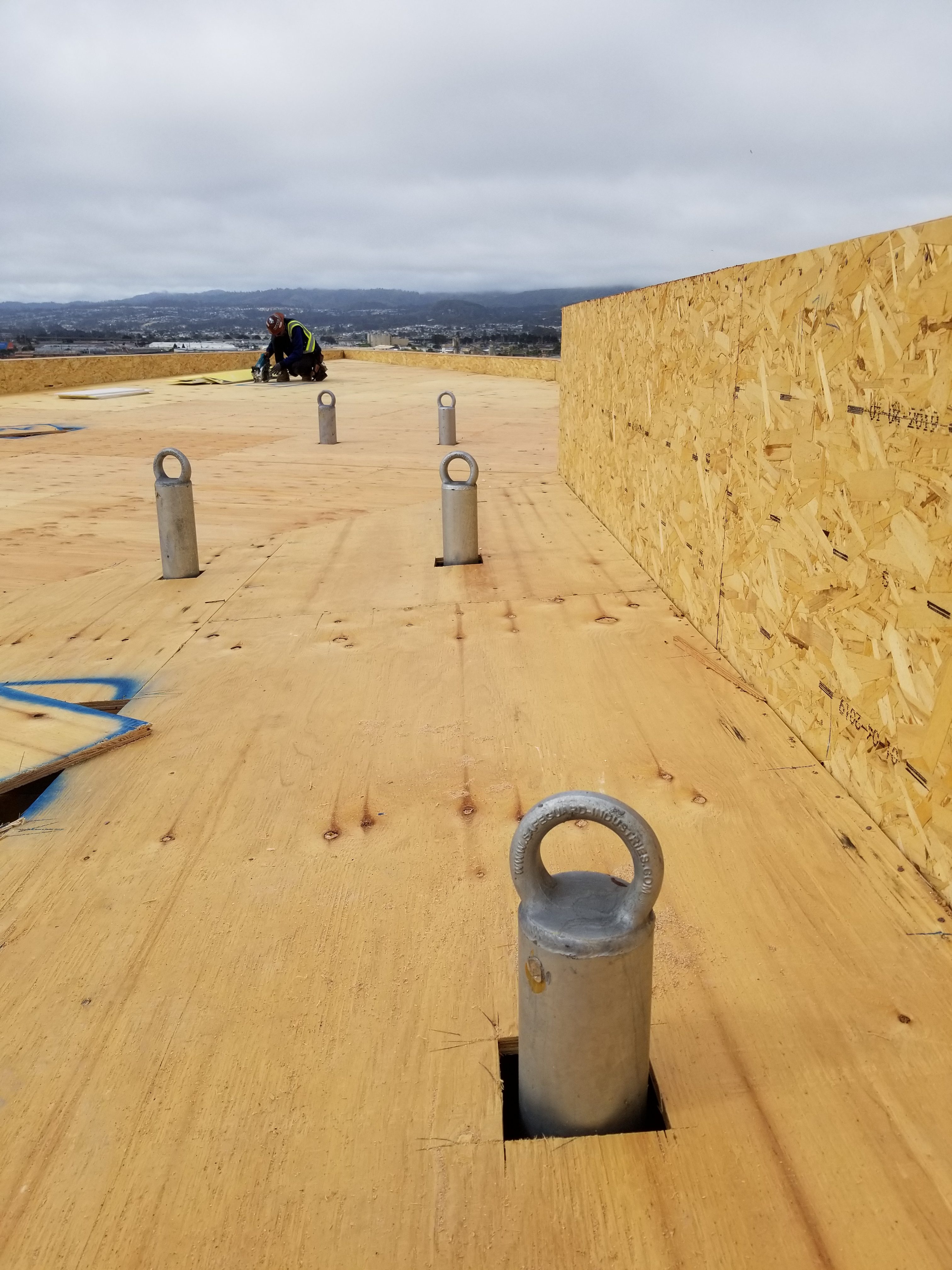
Explore the specialized work Highline performs
Each engagement type below has its own focus, deliverables, and decision context. The detailed pages are the right next step when a project already has a defined need.
Site Survey and Assessment Report
Field-based evaluation of existing conditions, risks, and system limitations to guide maintenance planning or future upgrades.
Due Diligence for Asset Acquisition
Review access and fall protection conditions during acquisition planning so buyers understand exposure before a deal closes.
Load Test Prescription and Oversight
Engineering-backed load test planning and oversight when systems need verification, documentation, or defensible evaluation.
New Construction Projects
Coordinate long-term maintenance access early so it fits the building, the operations plan, and the architectural intent.
Existing Buildings Retrofit
Develop retrofit strategies for buildings that need updated access systems, fall protection, or maintenance planning.
Operating Procedures Outline Sheet (OPOS)
Prepare operating procedures outline sheets that support safe building maintenance operations and owner accountability.
Plan of Service for Window Cleaning
Create project-specific service documentation that translates access strategy into real maintenance workflows.
Certified Work Plans for Construction
Provide engineering-backed work plan documentation when construction activities require a clear, reviewable safety approach.
Assess. Coordinate. Document. Support.
The right sequence depends on the project, but the work usually follows a recognizable pattern. Highline helps teams move from uncertainty to a workable plan without losing sight of safety, compliance, or long-term use.
Assess
Review existing conditions, planned use, project constraints, and maintenance requirements.
Coordinate
Align access strategy with architecture, structure, operations, and liability considerations.
Document
Translate the chosen approach into clear design criteria, procedures, or project-specific deliverables.
Support
Stay involved through review, refinement, and issue resolution as the project advances.
Built for teams responsible for real buildings and real liability
Highline is a fit for projects where worker safety, maintenance practicality, and defensible engineering judgment all need to be addressed together rather than in separate silos.
- Developers and owner representatives
- Architects and design teams
- Property managers and building engineers
- Construction and project management teams
- Building owners evaluating existing conditions
- Teams preparing for documentation, retrofit, or due diligence work
Need a focused recommendation rather than a generic answer?
Share the building type, project phase, and the access issue you are trying to solve, and Highline can help identify the right starting point.